
Portofino history in short
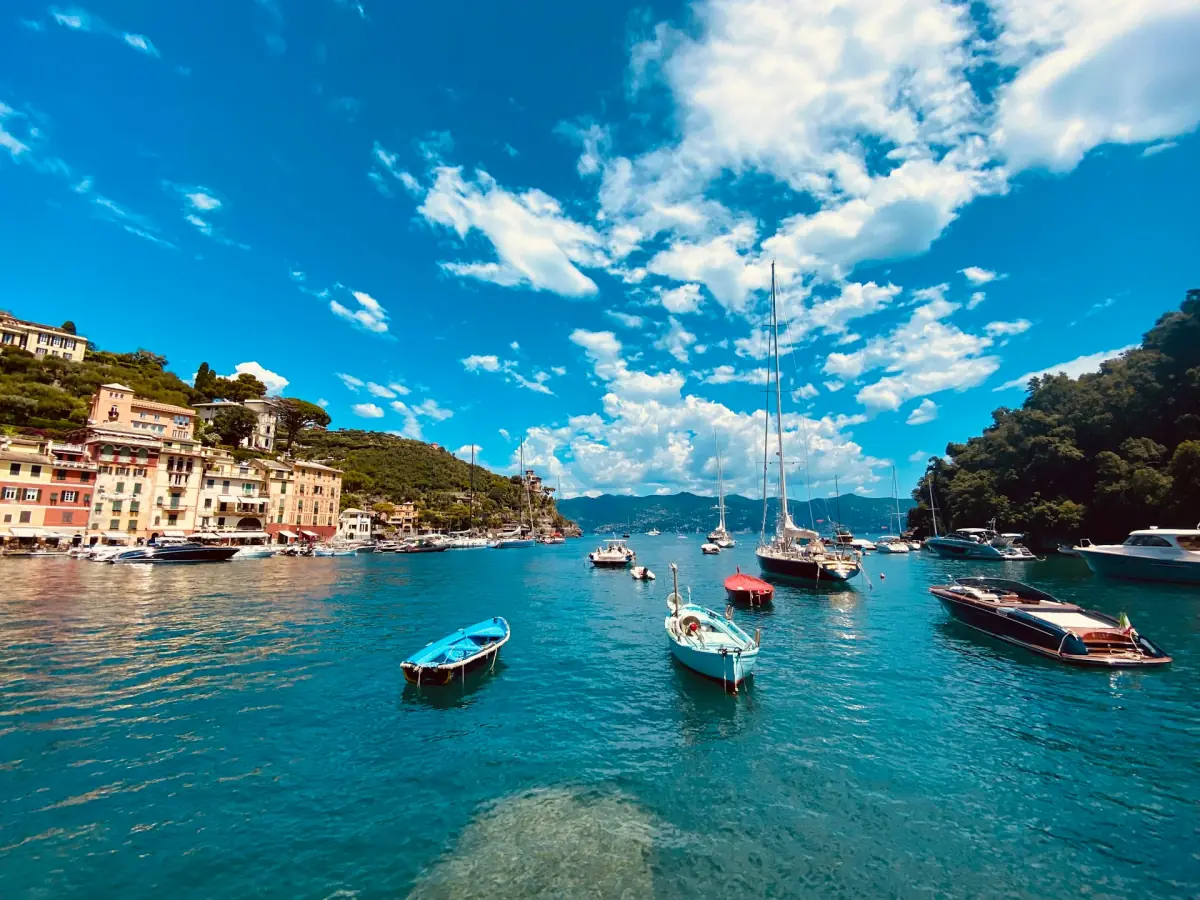
The town grew around a sheltered harbour bay on the Ligurian coast. Its story runs from an ancient name found in Roman texts, through centuries tied to the Republic of Genoa, to the fortress above the harbour and the abbey in the next bay. This page sets out the chapters that carry a date.
You can see most of this on a walk. The castle is covered on the Castello Brown page, the abbey on the San Fruttuoso page, and the statue under the water in the bay on the Christ of the Abyss page.
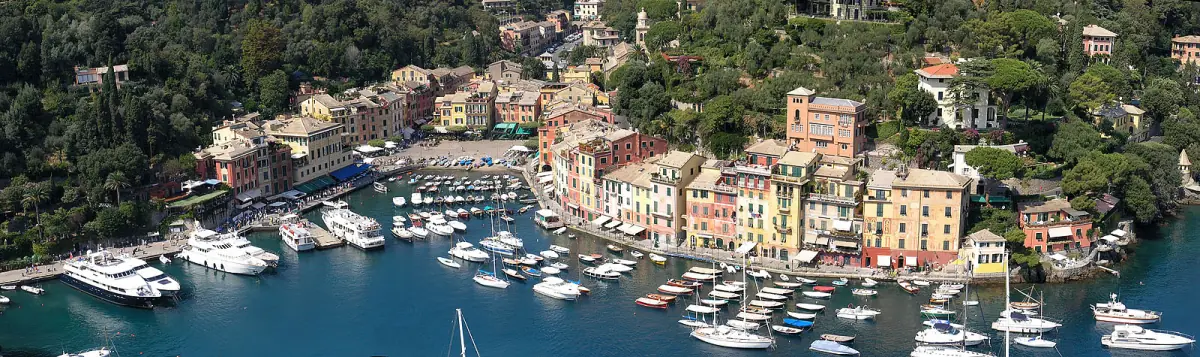
Our pick: a short guided walk through Portofino
A 40-minute walk with a local guide is a quick way to hear how the fishing port became a village.
Hand-picked tours, booked through Viator. Prices are indicative starting prices in euros (as of October 2026). Tap a tour for live availability and the current price in your currency.
Portofino tours with history on the route
Boat trips and walks past the castle, the harbour and the abbey, with live prices and availability.
From Portus Delphini to Genoa
The bay carries the ancient name Portus Delphini, which appears in Pliny and in ancient lists of sea routes. The name shows that the bay was known as a harbour in Roman times. It does not prove that Romans founded the town, and the reason for the name, often linked to dolphins, remains a tradition.
In the following centuries the bay passed between local noble families and the Republic of Genoa, and the later history of Portofino is closely tied to Genoa. Many trips to Portofino start there today. See getting to Portofino for the routes.
Dates worth knowing
The chapters of Portofino's history with a date attached.
| When | What happened |
|---|---|
| 8th century | The church at San Fruttuoso has its origin |
| 16th century | The tower in front of the abbey is built |
| 1867 | Montague Yeats Brown, British consul in Genoa, buys the castle above the harbour; he owns it until 1905 |
| 1954 | The bronze Christ of the Abyss is lowered into the bay of San Fruttuoso |
| 1961 | The municipality of Portofino acquires the castle |
| 1983 | The abbey of San Fruttuoso becomes the property of the FAI by donation |
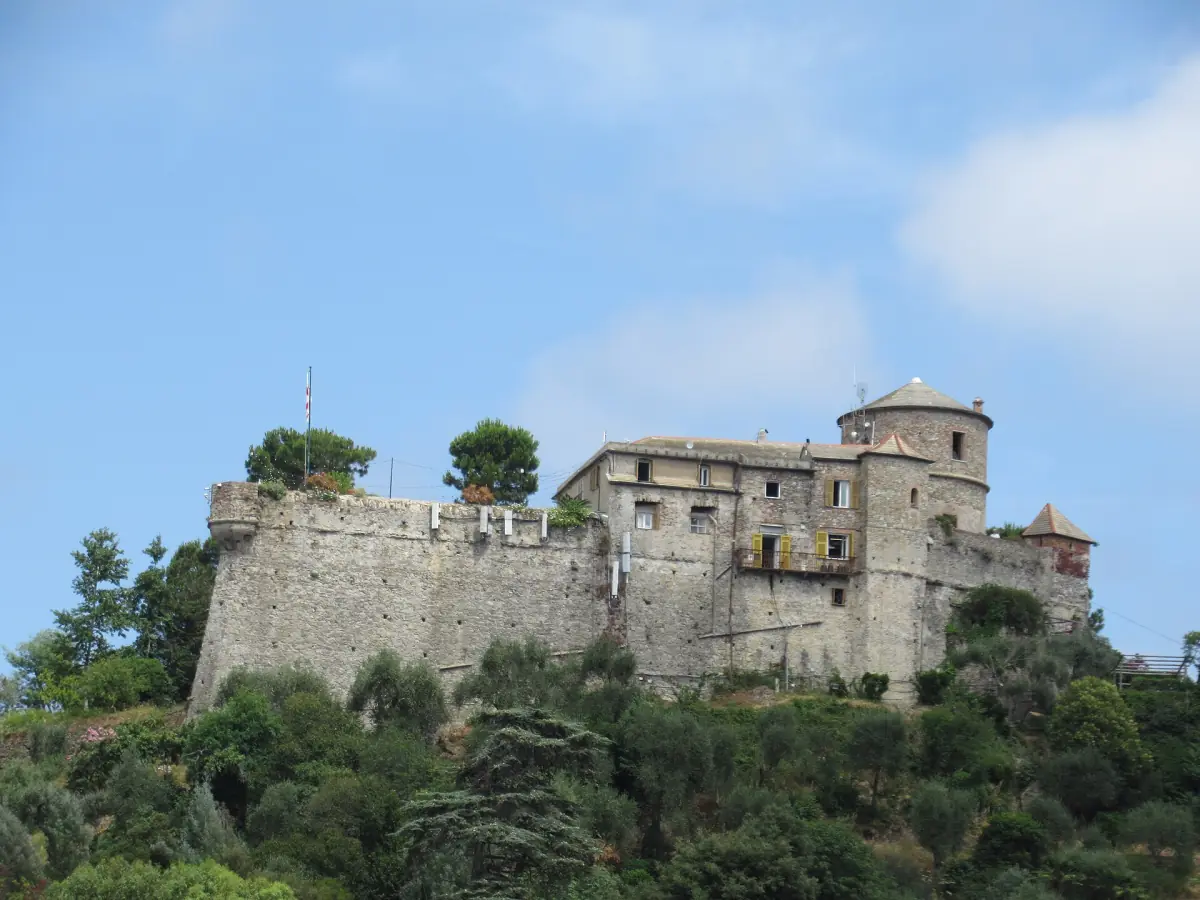
Castello Brown: from fortress to town property
The hill above the harbour carries the fortress known today as Castello Brown. Montague Yeats Brown, a British consul in Genoa, bought it in 1867 and owned it until 1905. The municipality bought it in 1961. Today you can visit it with a ticket sold at the entrance. Hours and prices are on the Castello Brown page.
The walk from the harbour to the castle and on to the viewpoint below the lighthouse takes about 30 minutes in total. Plan on the view from the viewpoint, not on a tower climb.
San Fruttuoso abbey and the Christ of the Abyss
The abbey sits in a bay that has no road. The church there goes back to the 8th century. The abbey grew in the Middle Ages, and a tower was added in front of it in the 16th century. Since a donation in 1983 it belongs to the FAI, the Italian national trust. You reach it on foot or by boat.
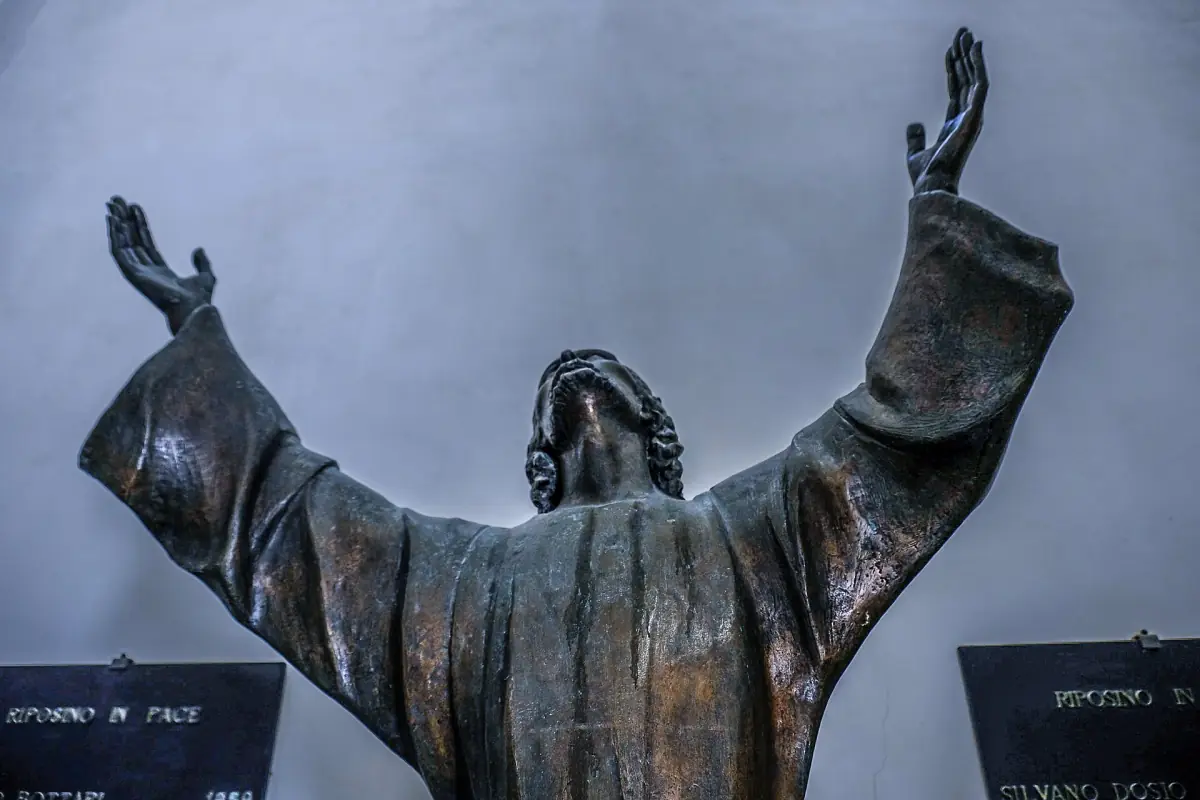
In 1954 a bronze statue of Christ with raised arms, made by Guido Galletti, was lowered into the bay. It stands under the water, about 17 m deep, and its upward posture is meant for viewing from below the surface. See the Christ of the Abyss page for the rules in the marine protected area.
Portofino history: frequently asked questions
What does the name Portofino come from?
The ancient name Portus Delphini appears in Pliny and in Roman sea-route lists. The link between that name and dolphins is a tradition, not a proven fact.
Who owned Castello Brown?
The site holds a fortress that the British consul Montague Yeats Brown bought in 1867 and owned until 1905. The municipality of Portofino has owned it since 1961.
How old is the abbey of San Fruttuoso?
The church goes back to the 8th century and the FAI has owned it since a donation in 1983. The tower in front of the abbey dates from the 16th century.
When was the Christ of the Abyss placed in the sea?
In 1954, in the bay of San Fruttuoso. The bronze is made by Guido Galletti and stands about 17 m deep.
Can I see the history on a day trip?
Yes. A walk from the harbour to the castle takes about 30 minutes, and boats from Camogli reach San Fruttuoso in about 30 minutes, with seasonal timetables.